
Pulse Flow vs. Continuous Flow: Which Oxygen Concentrator Do You Actually Need?
Choosing the right medical equipment is a pivotal moment in managing respiratory health. For many Australians recently diagnosed with conditions like COPD or sleep apnoea, the technical jargon surrounding oxygen therapy can be overwhelming. The most critical decision you will face is the choice between pulse flow vs continuous flow oxygen delivery.
Understanding these oxygen delivery methods is not just about convenience; it is about ensuring your body receives the precise amount of supplemental oxygen required to maintain healthy saturation levels. Whether you are looking for a portable solution for walks along the Gold Coast or a steady supply for overnight use with a CPAP compatible concentrator, this guide provides the clarity you need to make an informed investment.
See more: How the Philips EverFlo Oxygen Concentrator Improves Quality of Life for Oxygen Therapy Patients
What is Pulse Flow Oxygen Delivery?
Pulse flow, also known as “pulse dose,” is a delivery method designed to mimic your natural breathing pattern. Instead of a constant stream of gas, these devices use a sophisticated “bolus” delivery system.
How Pulse Flow Works
Pulse dose technology relies on an internal sensor called a conserver. When you begin to inhale, the device detects the negative pressure in your nasal cannula and releases a specific “pulse” of oxygen. Because the device “rests” during your exhalation phase, it is significantly more energy-efficient.+2
Key Characteristics of Pulse Flow:
- Portability: Most Pulse Dose units are small enough to be carried in a shoulder bag or backpack.
- Battery Life: Because the motor is not running 100% of the time, batteries last much longer.
- Weight: These units typically weigh between 1.5kg and 3kg.
What is Continuous Flow Oxygen Delivery?
Continuous flow is exactly what the name suggests: a steady, uninterrupted stream of oxygen measured in Litres Per Minute (LPM). Regardless of whether you are breathing in, breathing out, or holding your breath, the flow remains constant.
The Mechanics of Constant Delivery
Continuous flow concentrators are generally larger “stationary” units meant for home use. They plug into a standard Australian wall outlet and produce oxygen 24/7. While some portable units offer a continuous flow setting, they are significantly heavier and have shorter battery lives compared to pulse-only models.
Why Continuous Flow is Necessary:
- Sleep Apnoea Support: It is the standard for CPAP compatible concentrators.
- High Flow Requirements: Best for patients needing more than 3 LPM.
- Consistency: Ideal for patients who breathe through their mouths while sleeping, as pulse sensors may not trigger correctly.
Pulse Flow vs. Continuous Flow: A Direct Comparison
To help you visualise the differences, the table below breaks down the core technical specifications relevant to the Australian market.
| Feature | Pulse Flow (Pulse Dose) | Continuous Flow |
| Delivery Trigger | Inhalation-activated (Bolus) | Constant Stream (LPM) |
| Primary Use | Travel, exercise, daytime activity | Sleep, sedentary use, CPAP/BiPAP |
| Weight Range | 1.5kg – 3.0kg | 4.5kg (Portable) – 25kg (Stationary) |
| CPAP Compatibility | Generally No | Yes |
| Oxygen Concentration | 87% – 96% | 87% – 96% |
| Battery Life | Long (up to 13 hours) | Short (1–2 hours on battery) |
Benefits and Clinical Outcomes
Benefits of Pulse Dose for Active Lifestyles
For many users in Australia, maintaining an active lifestyle is a priority. Pulse flow units empower users to attend social events, travel on domestic flights (most are Qantas and Virgin Australia approved), and perform daily tasks without being tethered to a heavy tank. The primary outcome is increased mobility and a reduction in the “housebound” feeling often associated with oxygen therapy.
Benefits of Continuous Flow for Clinical Stability
The primary benefit of continuous flow is reliability during rest. During deep sleep, respiratory rates often drop, and breathing can become shallow. A continuous flow unit ensures that the prescribed oxygen level reaches the lungs regardless of the breath’s strength. This is vital for preventing nocturnal desaturation.+2
Real-World Use Cases in Australia
Scenario A: The Active Retiree
John lives in Sydney and enjoys daily walks. His doctor prescribed 2 LPM during exertion. A Pulse Dose Portable Oxygen Concentrator (POC) is his best fit. It is light enough for him to carry, and the pulse delivery ensures he gets oxygen exactly when his lungs expand during his walk.
Scenario B: The Patient with Complex Sleep Needs
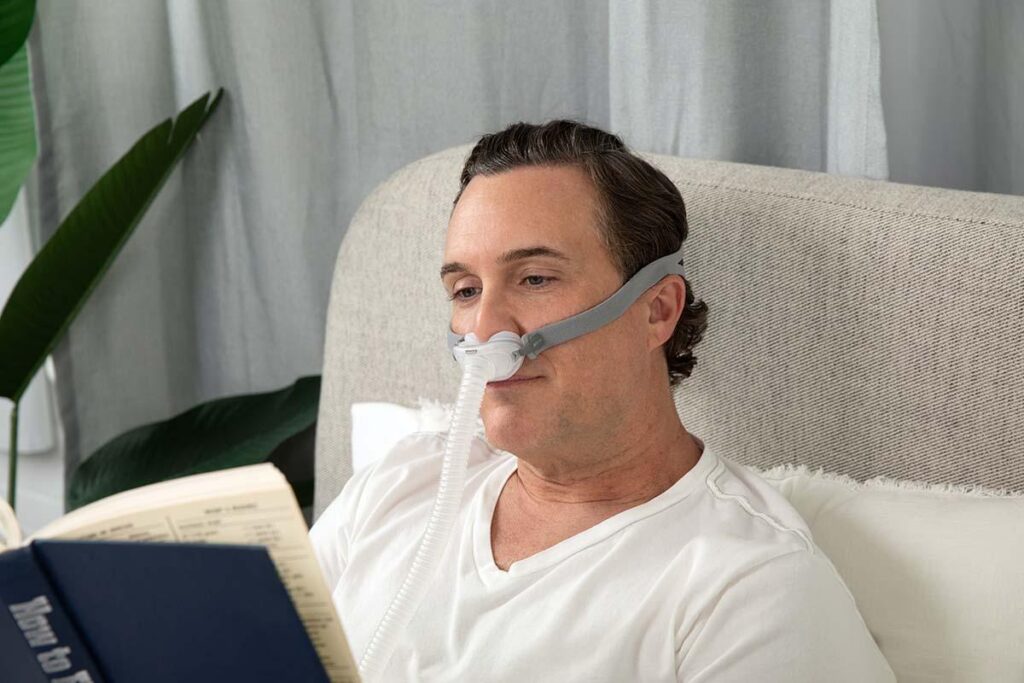
Sarah requires oxygen at night alongside her CPAP machine for sleep apnoea. Pulse dose units cannot be used with CPAP because the CPAP pressure masks the “trigger” the concentrator needs to see. Sarah requires a CPAP compatible concentrator that provides a continuous flow of 2 LPM into her mask circuit.
Choosing the Right Delivery Method: A 3-Step Framework
If you are unsure which path to take, follow this logical framework used by respiratory therapists:
1. Consult Your Oximetry Report
Review your “Six-Minute Walk Test” and your “Sleep Study.” If your oxygen levels only drop during exercise, pulse flow is likely sufficient. If they drop during sleep, continuous flow is usually non-negotiable.
2. Evaluate Your Night-Time Breathing
Are you a mouth breather? Do you use a CPAP or BiPAP machine? If the answer is yes to either, you require a continuous flow unit. Pulse sensors often fail to detect breaths taken through the mouth, leading to “no breath detected” alarms.
3. Consider Your Travel Goals
If you plan on flying or taking long road trips, a Pulse Dose unit offers the best battery-to-weight ratio. If you only need oxygen at home, a stationary continuous flow unit is more cost-effective and requires less maintenance.
Common Mistakes to Avoid
- Buying Based on Weight Alone: Many patients buy the lightest pulse unit available, only to find it cannot meet their oxygen demands during a brisk walk. Always check the “maximum bolus size.”
- Assuming Pulse Works with CPAP: This is a dangerous misconception. CPAP compatible concentrators must be continuous flow to ensure the patient receives oxygen against the positive pressure of the sleep machine.
- Ignoring Maintenance in Coastal Areas: In Australia’s humid or coastal environments, sieve beds in concentrators can degrade faster. Ensure your unit (regardless of flow type) is kept in a dry, well-ventilated area.
Advanced Tips for Oxygen Users
- The “Pulse Setting” Myth: A setting of “2” on a pulse flow machine is NOT the same as 2 Litres Per Minute on a continuous machine. Pulse settings are arbitrary manufacturer scales. Always titrate your machine using a pulse oximeter.
- Nasal Cannula Length: For continuous flow home units, you can use up to 15 metres of tubing. For pulse flow, keep the tubing under 2 metres; longer tubes can delay the pulse trigger, making the device ineffective.
Internal & External Resource Suggestions
Internal Linking Strategy:
- Anchor Text: “Top 5 Portable Oxygen Concentrators for Travel”
- Anchor Text: “How to maintain your stationary oxygen concentrator”
- Anchor Text: “Understanding oxygen prescriptions in Australia”
Authoritative External References:
- Lung Foundation Australia: For clinical guidelines on COPD and oxygen therapy.
- Therapeutic Goods Administration (TGA): To verify the safety and registration of medical devices in Australia.
Frequently Asked Questions (FAQ)
What is the main difference between pulse flow and continuous flow?
Pulse flow delivers oxygen only when you inhale, whereas continuous flow provides a steady stream of oxygen regardless of your breathing cycle.
Can I use a pulse flow concentrator with my CPAP machine?
No. Pulse flow units require the detection of an inspiratory breath to trigger oxygen delivery. The constant pressure from a CPAP machine prevents the sensor from detecting this trigger. You must use a continuous flow concentrator with CPAP.
Which oxygen delivery method is better for exercise?
Pulse flow is generally better for exercise because the devices are lightweight and portable. However, you must ensure the device’s maximum pulse output meets your clinical needs during high exertion.
Why are continuous flow portable units so much heavier?
They require larger compressors and more powerful batteries to maintain a constant stream of oxygen, which significantly increases the size and weight of the device.
Is pulse flow as effective as continuous flow?
Yes, provided the patient is able to trigger the pulse sensor. For most daytime activities, pulse flow is clinically equivalent to continuous flow for maintaining oxygen saturation.
Conclusion: Making Your Decision
The choice between pulse flow vs continuous flow ultimately comes down to your clinical requirements and your lifestyle goals. If you are an active individual looking to maintain your independence during the day, a pulse flow unit offers the portability you need. However, if you require oxygen during sleep—particularly if you use a CPAP machine—a continuous flow unit is the only safe and effective option.
Always consult with your respiratory physician before making a final decision, and ensure your chosen device is TGA-approved for use in Australia.
