
A mini portable oxygen concentrator is designed to give people extra oxygen while keeping day-to-day life moving. In Australia, it is commonly used for COPD, pulmonary fibrosis, and other lung conditions where a clinician has prescribed supplemental oxygen. This revisit looks at what compact units do well, where they fall short, and how to choose one safely.
What is a mini portable oxygen concentrator, in plain terms?
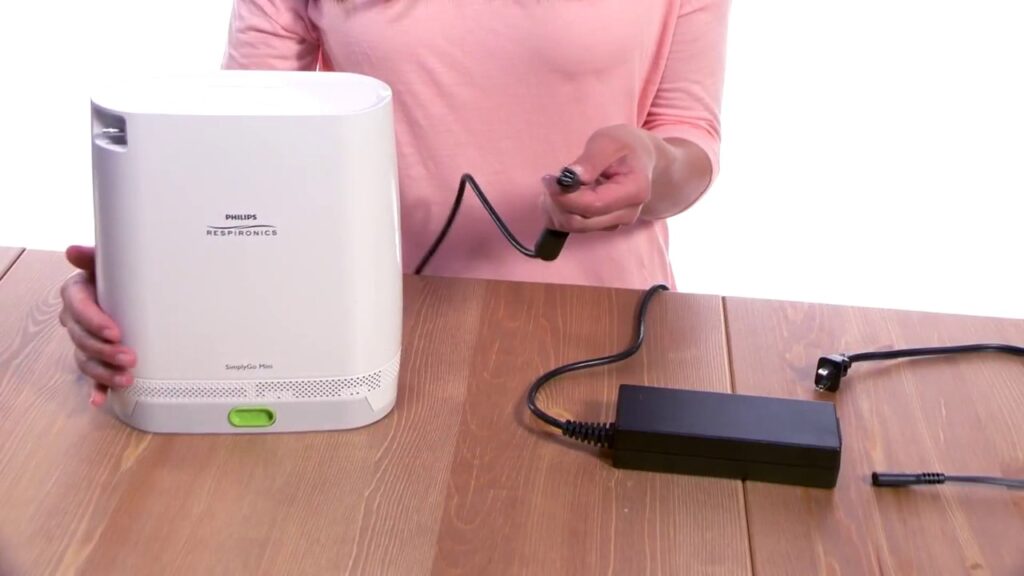
A mini portable oxygen concentrator is a small machine that takes in room air, filters nitrogen out, and delivers oxygen through nasal cannula. It is not an oxygen tank, so it does not need refills, but it does need power via battery, mains, or car charging. Most compact models focus on mobility, not high continuous flow.
Who in Australia typically uses compact breathing support like this?
They are usually prescribed oxygen after testing shows low blood oxygen levels, often confirmed through oximetry or arterial blood gases. People may use a mini portable oxygen concentrator for walking, shopping, appointments, and short trips where a larger home unit is impractical. Clinicians may also recommend it for exercise or recovery periods, depending on the condition.
How does pulse flow differ from continuous flow, and why does it matter?
Pulse flow delivers oxygen in bursts when the user inhales, while continuous flow delivers a steady stream. Many compact devices are pulse only, which can be fine for daytime activity but may not suit sleep or certain breathing patterns. Anyone considering a mini portable oxygen concentrator should confirm the prescribed mode and settings match the device’s capabilities.
What makes a unit truly “mini” and portable for Australian life?
Portability is mainly weight, battery flexibility, and how easy it is to carry while moving through daily routines. For Australians, this often means handling longer car trips, warm climates, and outdoor walking. A mini portable oxygen concentrator should be comfortable on a shoulder strap or in a small bag, with controls that are readable in bright light.
How long do batteries realistically last outside the showroom?
Battery life depends on setting, breathing rate, temperature, and battery age, not just the marketing number. Higher pulse settings and fast breathing can shorten runtime significantly, especially in heat. When choosing a mini portable oxygen concentrator, they should plan for real errands, not best case conditions, and consider carrying spare batteries for longer days out.
How loud are compact units, and does noise affect use?
Most devices produce a steady hum and a noticeable pulse sound, especially at higher settings. Noise can matter in quiet places like cinemas, waiting rooms, or during sleep if the unit is near the bed. If they are sensitive to sound, they should trial the unit in person and check whether the mini portable oxygen concentrator is comfortable for extended use.
What should they look for in oxygen output and clinical suitability?
The key is whether the device can maintain target oxygen saturation for the person’s needs. That is determined by medical assessment, a titration test, and sometimes a supervised walk test. A mini portable oxygen concentrator should never be chosen purely on size, because the smallest option may not deliver adequate oxygen for their prescription.
How do they know if a device is safe and appropriate in Australia?
They should use Australian suppliers who provide compliance information, local support, and clear warranties. They should also ensure the supplier can explain servicing, filters, battery care, and expected lifespan. With any mini portable oxygen concentrator, safe use includes correct cannula fit, avoiding blocked intakes, and following the prescribed flow settings.
Can they fly within Australia with a compact oxygen concentrator?
Many people do fly domestically with an approved device, but airlines have specific requirements. They usually want proof of approval, a medical letter, and enough battery capacity for the flight time plus contingency. Before booking, they should confirm the exact model of mini portable oxygen concentrator is accepted by the airline and understand battery rules for carry on.
Other Resources : Possible impact of Contingency Reserve on PBO costings
How does car travel and regional driving change what to buy?
In Australia, travel often means longer distances and time away from power points. A car charging option can be essential, but it should be used as directed to avoid battery damage. For regional trips, a mini portable oxygen concentrator is easier than cylinders to manage, but they still need a power plan, spare cannulas, and a backup option if the device fails.
What maintenance and servicing do compact concentrators actually need?
Most units need regular filter checks, external cleaning, and periodic servicing based on hours of use. Batteries degrade over time and may need replacement sooner than expected if they are stored improperly or frequently run flat. Anyone relying on a mini portable oxygen concentrator should schedule maintenance like they would for any medical device, especially before trips.
What are the most common purchasing mistakes people make?
A common mistake is buying based on weight alone, then discovering the oxygen delivery does not meet clinical needs. Another is underestimating battery requirements, especially for long appointments or full days out. They also sometimes skip training, but a mini portable oxygen concentrator is safest when they understand alarms, cleaning, travel packing, and correct cannula placement.
Should they rent before buying, and when does that help?
Renting can help if they are newly prescribed oxygen, trialling a setting, or unsure about comfort and noise. It also helps for short-term needs, such as recovery after illness or temporary mobility support. A mini portable oxygen concentrator rental through an Australian provider may include education and servicing, which reduces risk for first-time users.
How does cost stack up in Australia, and what ongoing expenses appear later?
Upfront pricing varies widely by brand, battery configuration, and included accessories. Ongoing costs can include replacement batteries, cannulas, filters, servicing, and sometimes extended warranties. When comparing options, they should treat a mini portable oxygen concentrator as a multi-year purchase and ask for a clear estimate of ownership costs.
What questions should they ask a supplier before committing?
They should ask whether the device is pulse only or supports continuous flow, and what the maximum output is at each setting. They should ask about warranty length, local repairs, loan units during service, and battery replacement pricing. For a mini portable oxygen concentrator, they should also ask to test it walking, because performance can change with movement and breathing rate.
How should they use pulse settings responsibly day to day?
They should only use the setting prescribed by their clinician and avoid turning it down to “make the battery last” if it risks low oxygen levels. They should monitor symptoms like unusual breathlessness, headaches, or confusion, and seek medical advice if they occur. A mini portable oxygen concentrator works best when settings are matched to activity, but changes should be guided clinically.
What is the best way to “revisit” their setup and improve comfort?
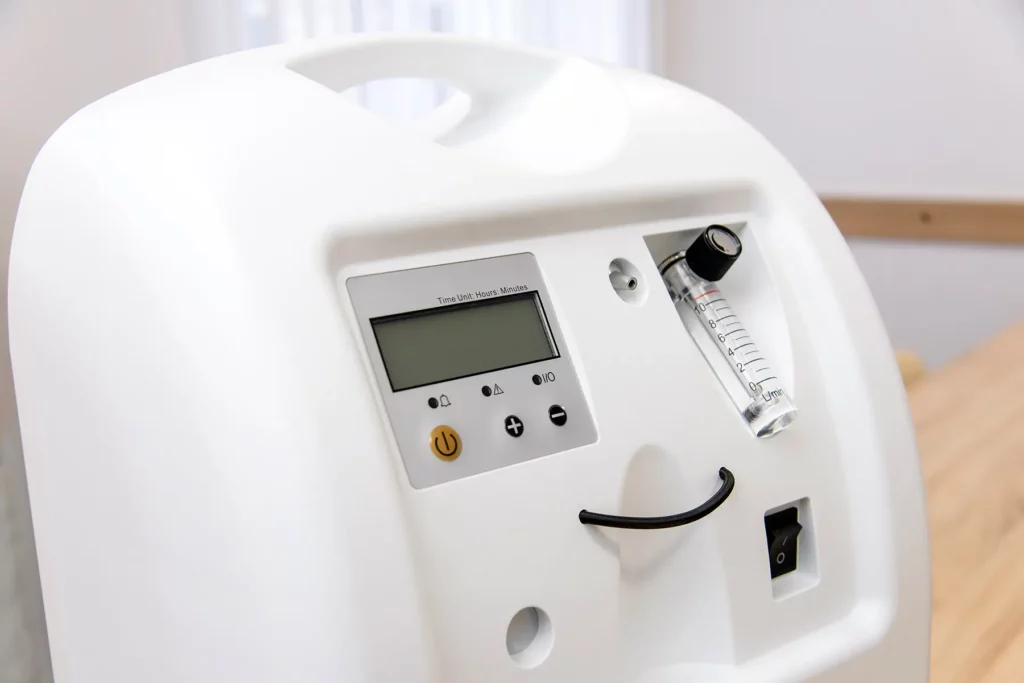
They can often improve comfort by checking cannula size, managing tubing length, and using a carry method that does not tug at the face. They can also plan charging routines and keep spares in a dedicated pouch for outings. For many people, revisiting how they carry and maintain a mini portable oxygen concentrator makes it feel less like a burden and more like a support tool.
What is the practical takeaway for Australians considering compact oxygen support?
A compact device can offer real freedom, but only if it meets the prescribed oxygen needs and fits their lifestyle. They should prioritise clinical suitability, reliable battery planning, and local servicing over the smallest possible size. Done well, a mini portable oxygen concentrator can support safer movement and more confidence outside the home without sacrificing medical requirements.
Related : Philips EverFlo Oxygen Concentrator: Key Features and Benefits
FAQs (Frequently Asked Questions)
What is a mini portable oxygen concentrator and how does it work?
A mini portable oxygen concentrator is a compact device that filters nitrogen from room air to deliver supplemental oxygen through a nasal cannula. Unlike oxygen tanks, it doesn’t require refills but needs power from batteries, mains, or car charging. These units prioritise mobility over high continuous flow, making them suitable for day-to-day activities.
Who typically uses mini portable oxygen concentrators in Australia?
In Australia, mini portable oxygen concentrators are commonly prescribed for people with lung conditions such as COPD and pulmonary fibrosis who have low blood oxygen levels confirmed by tests like oximetry or arterial blood gases. They are ideal for activities like walking, shopping, appointments, and short trips where larger home units are impractical.
What is the difference between pulse flow and continuous flow in oxygen delivery devices?
Pulse flow delivers oxygen in bursts when the user inhales, whereas continuous flow provides a steady stream of oxygen. Many compact devices operate on pulse flow only, which suits daytime activity but may not be appropriate for sleep or certain breathing patterns. It’s important to ensure the prescribed mode matches the device’s capabilities.
How portable are mini portable oxygen concentrators for everyday Australian life?
True portability involves lightweight design, flexible battery options, and ease of carrying during daily routines. For Australians, this means handling longer car trips, warm climates, and outdoor walking comfortably—often using shoulder straps or small bags with controls readable in bright light.
What should I consider regarding battery life and noise levels of these devices?
Battery life varies with settings, breathing rate, temperature, and battery age; higher pulse settings and heat can reduce runtime significantly. Users should plan for real-life errands rather than showroom claims and consider spare batteries for longer days. Noise levels include a steady hum and pulse sounds that might affect use in quiet places or during sleep; trialling the unit beforehand is recommended.
How do I choose a safe and clinically suitable mini portable oxygen concentrator in Australia?
Choosing the right device involves ensuring it meets your prescribed oxygen saturation needs through medical assessment and titration tests. Use Australian suppliers offering compliance information, local support, clear warranties, servicing guidance, and battery care instructions. Proper cannula fit and adherence to prescribed settings are essential for safe use.
